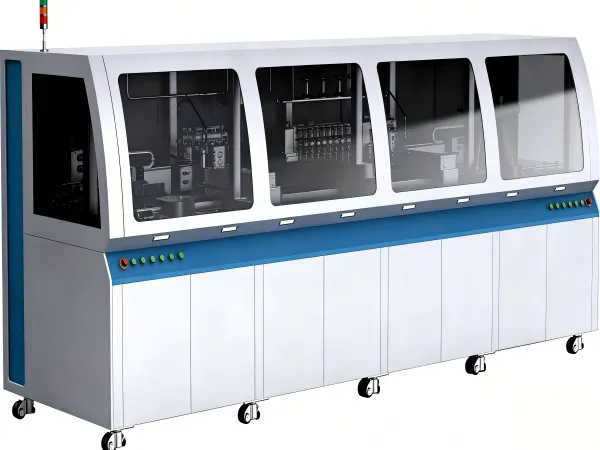
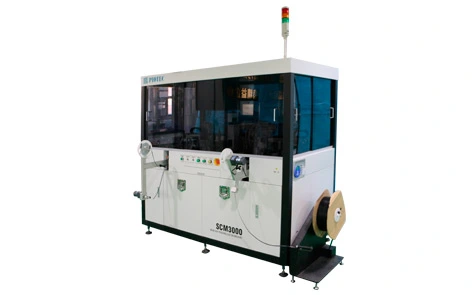
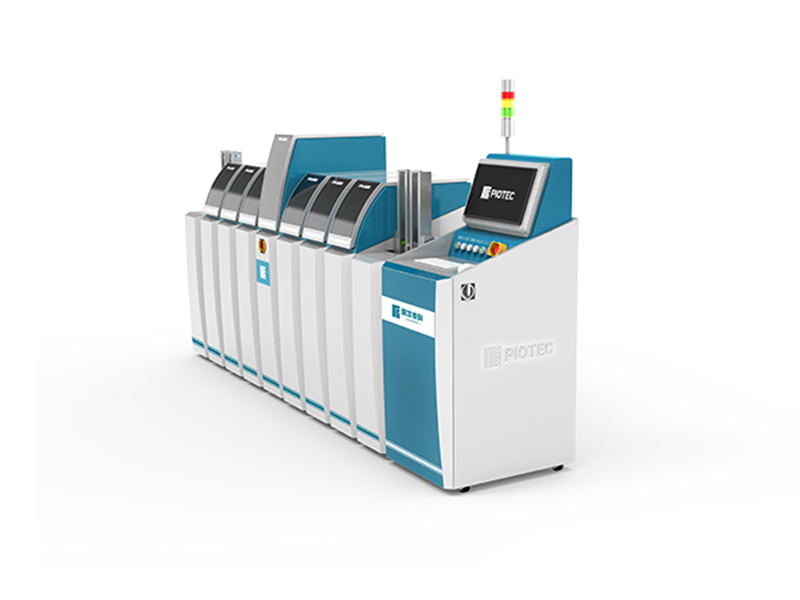
The FPL3000 benefits high-security bank card production by combining high-throughput personalization (printing + encoding + verification) with modular, audit-friendly controls that reduce errors, downtime, and re-issuance risk. In practice, it functions as a modern credit card manufacturing machine for central issuance environments—taking blank card bodies and turning them into verified, customer-ready banking credentials at scale.
Financial institutions are under pressure from two sides: customers expect fast delivery and premium finishes, while compliance teams demand tighter controls around data integrity and physical security. That’s why centralized issuance lines are increasingly preferred over ad-hoc desktop setups. Below is a clear look at where an FPL3000-style architecture adds measurable value—and what it means if you’re comparing vendors or evaluating a credit card making machine for sale.
High-security card programs (credit, debit, EMV, and certain co-branded portfolios) typically require more than printing a name. You’re coordinating surface prep, multiple personalization methods, chip and magstripe data writing, and verification—while maintaining chain-of-custody and minimizing rejects.
The FPL3000 concept is built around a flexible, central issuance approach: modular stations that can be configured and expanded as program requirements grow. That matters because banking portfolios rarely sit still. One year you’re issuing standard EMV; the next you’re adding laser-engraved features, higher print resolutions, or additional QC checkpoints.
A common failure point in issuance is speed that outpaces control. FPL3000 addresses this with parallelization and verification-oriented modules. For example, magnetic encoding can be done with dual heads (write + read) and ISO/IEC 7811 compliance, supporting tracks 1/2/3—so you’re not just writing data; you’re confirming it.For chip, the platform can include 16 contact personalization stations and 8 contactless stations, supporting ISO/IEC 7816 and ISO/IEC 14443 A/B (plus common technologies like MIFARE, ISO/IEC 15693, and FeliCa). More stations typically means less bottlenecking during secure EMV data loads.
In high-volume issuance, dust and surface contamination cause surprisingly expensive problems: print defects, encoding failures, and QC rejects. Dual cleaning rollers that clean both sides before personalization help stabilize downstream quality, especially when you’re running at industrial output rates.
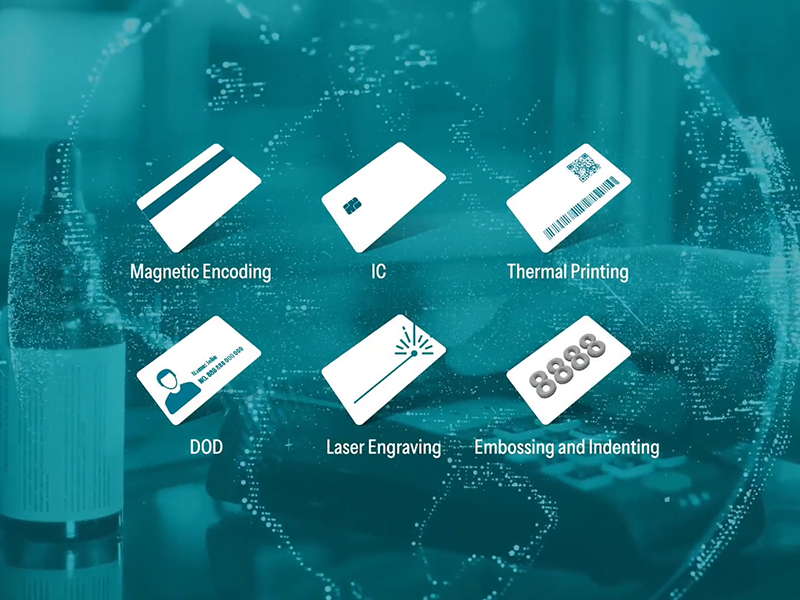
Banks often need a mix of personalization methods depending on card tier and region:
Monochrome thermal printing (e.g., 300 DPI) for durable text elements
DOD inkjet + UV curing for high-speed graphics and scalable production (with optional full color)
Laser engraving (e.g., fiber laser) for permanent, tamper-resistant marking such as micro-text, QR codes, CLI/MLI effects, and grayscale imagery
Having these options on one line reduces handoffs, simplifies auditing, and shortens cycle time.
Premium design trends—heavier cards, metallic finishes, laser-engraved personalization—are a big reason many issuers work with metal credit card manufacturers. While metal card body production is a different discipline, high-security personalization still needs reliable marking, verification, and controlled output. Laser modules and finishing steps (like topping for gold/silver effects) support those premium expectations without turning issuance into a manual craft process.
Features like automatic magazine switching, chip detection, dual-card detection, and quick-release maintenance designs are not nice to have. They directly affect uptime, staffing cost, and SLA performance—especially for central issuance teams that run continuous batches.
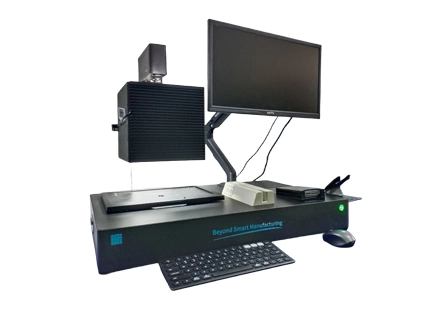
A contactless verification/QC module helps confirm that personalization steps succeeded and that the card’s data is consistent before it leaves the controlled environment. For high-security programs, QC is where you prevent downstream fraud risk, customer complaints, and expensive reissuance.
If you’re screening a credit card making machine for sale, compare more than headline UPH:
Which ISO/IEC standards and protocols are supported end-to-end?
Is verification built into the flow (mag read-back, contactless verification, exception handling)?
How modular is the architecture—can you add stations later?
What’s the maintenance model (tool-less swaps, consumables, laser extraction/purification)?
How are logs, alarms, and fault conditions handled for audit readiness?
The FPL3000 approach tends to score well because it’s designed as a line—not a collection of disconnected devices.
Centralized issuance reduces errors and improves security by keeping encoding, printing, laser marking, and QC in one controlled, logged workflow—rather than spreading steps across separate stations.
Yes. Configurations can include contact personalization (ISO/IEC 7816) and contactless personalization (ISO/IEC 14443 A/B), with support for additional protocols depending on module selection.
Dual heads enable writing and read-back verification in the same process, reducing the risk of silent encoding failures and cutting rework.
In most banking contexts, yes—because it performs the “manufacturing” phase that matters to issuers: secure personalization, encoding, verification, and issuance from blank card bodies.
They can support premium personalization (laser engraving, topping, high-quality printing). Metal card body fabrication is separate, but the issuance line still plays a key role for metal credit card manufacturers and premium portfolios.

Contact Piotec for Smart Card Solution