Modern bank card issuance involves much more than printing information on a plastic card. Behind every secure payment card is a coordinated process that combines chip encoding, personalization, verification, quality control, sorting, and delivery management.
For banks, financial institutions, and organizations managing large-scale card programs, understanding how cards move from chip preparation to final delivery is essential for improving security, efficiency, and customer experience. A reliable card issuing solution helps connect these processes into a more organized and traceable workflow.
This article explains the key stages of modern bank card issuance and how integrated technologies support secure and efficient payment card issuing operations.
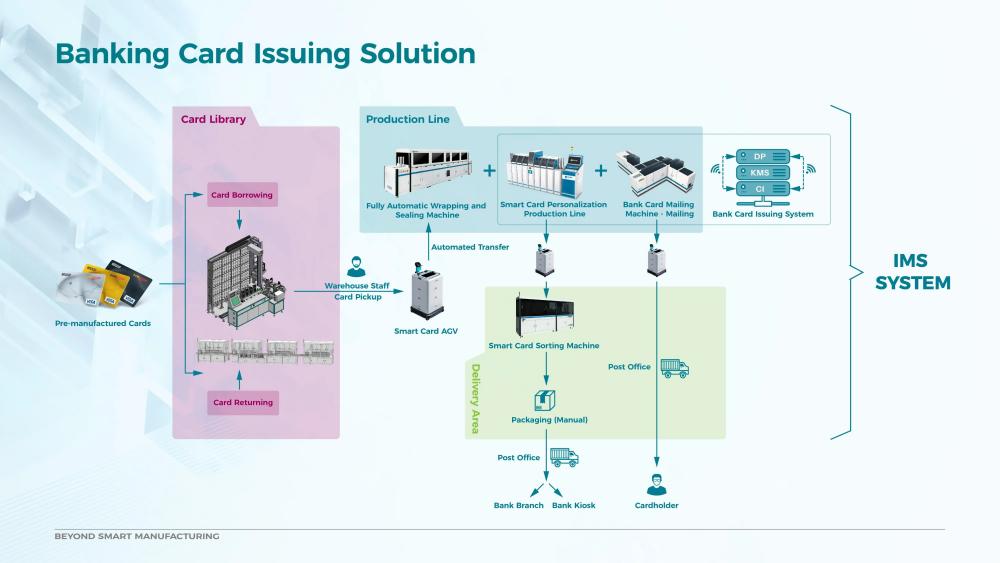
Modern bank card issuance includes several interconnected stages, starting from card preparation and ending with delivery to the final cardholder. Each stage plays an important role in ensuring that cards are accurate, secure, and ready for use.
A typical bank card issuance workflow includes the following key steps:
| Stage | Main Purpose |
|---|---|
| Card preparation | Prepare blank cards and production data according to issuance requirements |
| Chip encoding | Program electronic information into contact, contactless, or dual-interface chips |
| Card personalization | Add cardholder-specific information through electronic and visual personalization |
| Verification and quality control | Check data accuracy, card functionality, and personalization results |
| Sorting and delivery preparation | Organize completed cards for packaging, mailing, or distribution |
Unlike traditional card production processes that focus mainly on physical manufacturing, modern issuance workflows emphasize data accuracy, security management, and operational efficiency throughout the entire lifecycle.
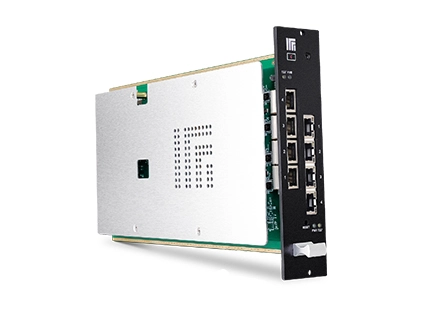
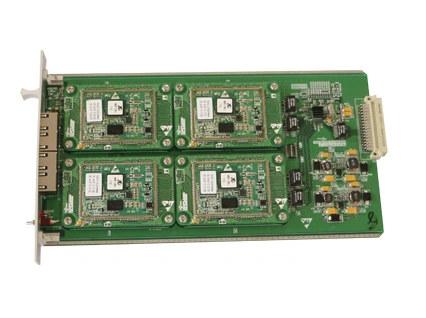
Chip encoding is one of the most important stages in modern bank card issuance because it enables the electronic functions required for secure transactions. During this process, card data is securely written into the embedded chip according to the requirements of the card program.
Different card technologies may require different encoding approaches, including contact cards, contactless cards, and dual-interface cards. The encoding process ensures that the card can communicate correctly with payment terminals and other authorized systems.
For financial institutions, accurate chip encoding is essential because errors at this stage can affect card functionality and customer experience. This is why many organizations use integrated systems that combine encoding, verification, and tracking capabilities within a controlled workflow.
A professional card issuing solution helps card issuers manage these processes more efficiently by connecting electronic personalization with other important issuance operations.
After chip encoding, bank cards undergo personalization to associate each card with a specific cardholder. Personalization combines electronic data processing with visual customization to create a finished payment card.
The personalization process may include adding cardholder information, account-related data, printed details, and other security elements required for the application. For payment programs, the accuracy of this information is critical because each card must correspond correctly with its assigned account and user.
Modern payment card issuing operations often require personalization systems that can handle multiple processes while maintaining data security and production consistency. Integration between data preparation, personalization, and verification helps reduce manual handling and improves overall workflow reliability.
Verification is a critical stage before personalized cards are delivered. Even a small mismatch between electronic data and printed information can create operational issues and affect cardholder experience.
Quality control processes help issuers confirm that each card meets required standards. Common verification activities include checking encoded information, confirming personalization accuracy, and identifying cards that require additional review.
For large-scale issuance programs, automated inspection and traceability functions provide better control over production quality. They allow organizations to identify errors earlier, reduce card rejection rates, and maintain more consistent output.
By combining personalization and verification processes within a coordinated workflow, issuers can achieve higher reliability throughout the payment card issuing process.
The final stages of bank card issuance involve organizing completed cards and preparing them for delivery. After personalization and verification, cards need to be accurately sorted according to distribution requirements.
Depending on the issuing model, cards may be prepared for centralized distribution, branch delivery, or direct shipment to cardholders. Packaging and mailing processes also need to maintain card security and ensure that the correct card reaches the correct recipient.
For organizations managing high-volume card programs, automated sorting and delivery preparation can reduce manual operations and improve efficiency. These functions are especially valuable when thousands or millions of cards need to be processed with consistent accuracy.
As card programs become more complex, many organizations are moving toward integrated issuance workflows instead of managing separate systems for each production stage.
An integrated card issuing solution connects important processes such as personalization, verification, quality control, sorting, and production management. This approach helps reduce unnecessary manual transfers, improve data consistency, and provide better visibility across the issuance process.
For banks and financial institutions, an integrated workflow can support different card programs while maintaining security and operational efficiency. It also provides greater flexibility when organizations need to expand capacity or introduce new card technologies.
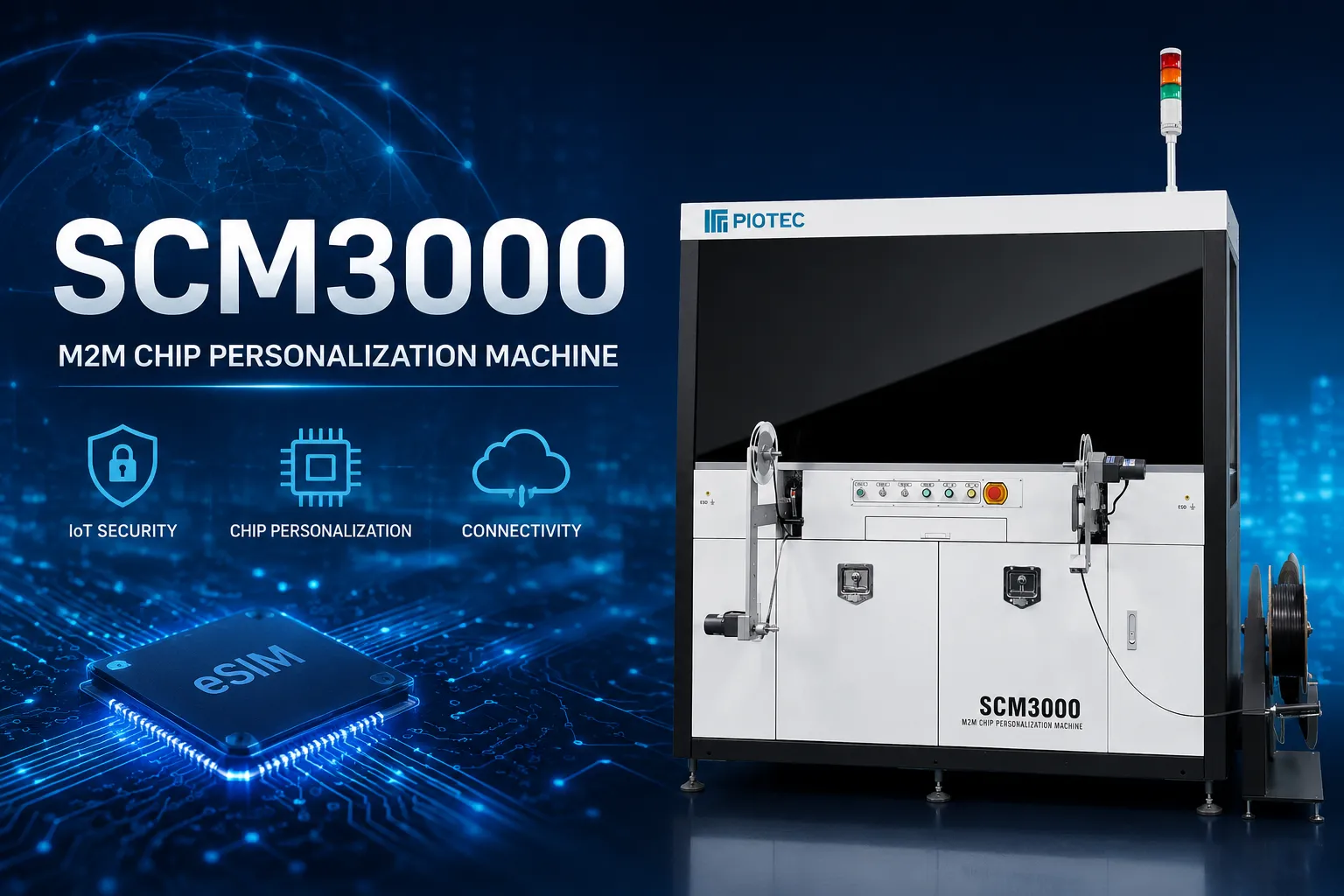
Piotec provides smart card manufacturing and issuing solutions designed to support secure and efficient card production workflows. From personalization and testing to production management, Piotec helps organizations build reliable issuance processes for different applications.
Learn more about Piotec’s Smart Card Manufacturing and Issuing Solution or contact our team to discuss your card issuance requirements.
Modern bank card issuance is a comprehensive process that combines chip encoding, personalization, verification, quality control, and delivery management. Each stage contributes to creating secure and reliable payment cards for end users.
For organizations managing large-scale card programs, selecting the right technologies and workflow structure is essential. An integrated card issuing solution can help improve efficiency, maintain data accuracy, and support future growth in payment card issuing operations.
If you are planning to improve your card issuance workflow, Piotec can provide customized solutions based on your production requirements. Contact Piotec to explore suitable options for your project.
Bank card issuance includes chip encoding, personalization, verification, sorting, and delivery preparation before cards reach cardholders.
Chip encoding enables secure electronic functions and ensures that cards can work correctly with authorized payment systems.
A card issuing solution is an integrated system that manages key card production and personalization processes to improve efficiency and security.
Banks can improve efficiency by integrating personalization, verification, sorting, and tracking processes into a coordinated workflow.

Talk to a Card Personalization Expert