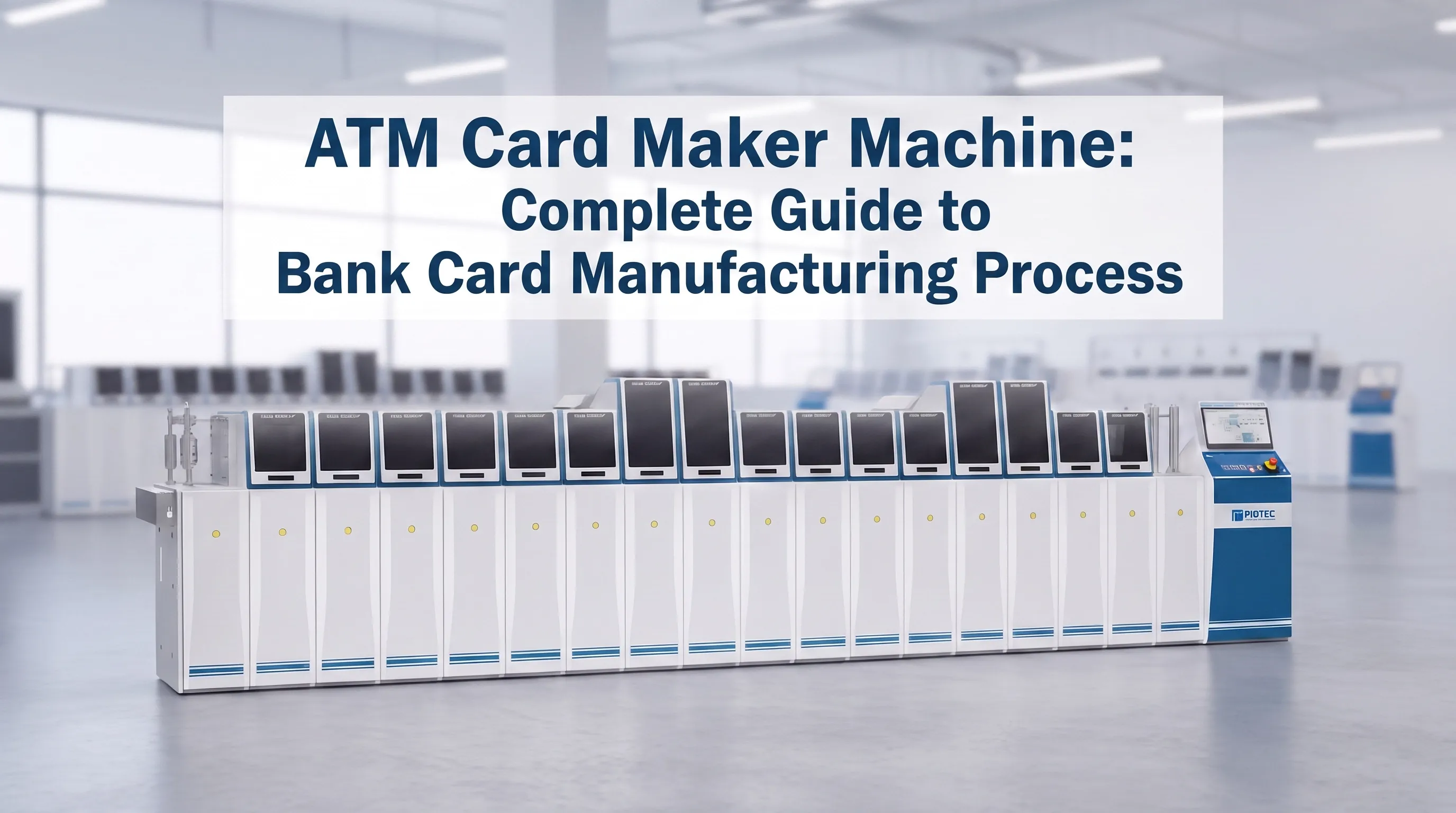
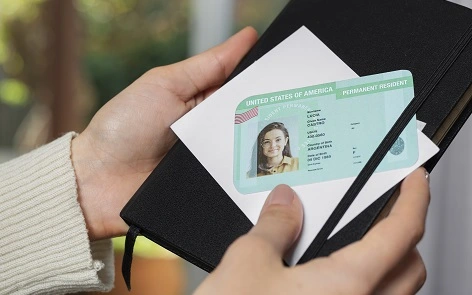
Selecting the right card personalisation solutions is an important decision for organizations that manage large-scale card issuance. A suitable solution can directly influence production efficiency, personalization accuracy, data security, and the ability to support future business growth.
For banks, government organizations, transportation operators, and enterprises issuing smart cards, the ideal solution should provide more than basic card customization. It should combine data preparation, card encoding, personalization, verification, and quality control into a reliable issuance workflow.
This guide explains the key factors to consider when selecting a card personalisation solution for high-volume card issuance and how to evaluate different system architectures and suppliers.
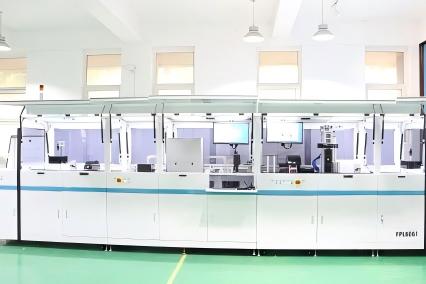
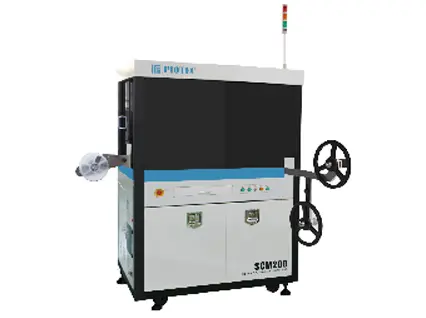
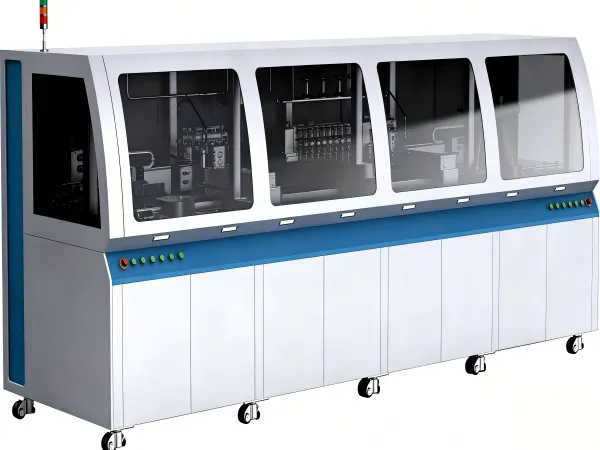
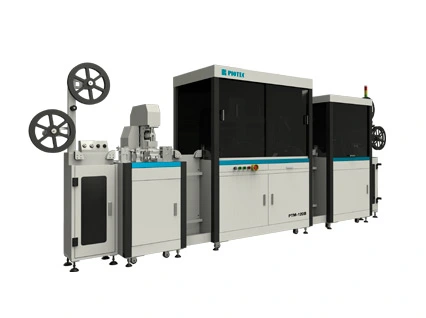
A card personalisation solution is an integrated system used to customize smart cards according to specific user, security, and application requirements. It manages the process of transforming blank cards into personalized cards that contain both visible information and electronic data.
Unlike a single card personalization machine that may complete only one operation, a complete personalization solution connects multiple processes into one controlled workflow.
A typical card personalization workflow includes:
Data preparation: Cardholder information and personalization data are securely prepared before processing.
Card encoding: Electronic information is written into card chips, including contact, contactless, or dual-interface technologies.
Printing or laser engraving: Visible information such as names, numbers, photos, or security marks can be added to the card surface.
Verification: Encoded data and printed information are checked to ensure accuracy.
Sorting and quality control: Completed cards are inspected and classified before delivery.
The main difference between equipment and a complete solution is system integration. A machine focuses on individual tasks, while a complete card personalisation solution supports the entire issuance process, helping organizations improve consistency, security, and operational control.
Choosing the right card personalisation solutions requires a clear understanding of your card types, production requirements, security expectations, and future expansion plans. The following factors should be evaluated before making an investment.
Different card applications require different personalization technologies. Before selecting a system, organizations should confirm whether they need support for contact smart cards, contactless cards, dual-interface cards, or magnetic stripe cards.
For companies managing multiple card programs, choosing a flexible solution that supports different card technologies can reduce limitations when new applications or card formats are introduced in the future.
Every card issuance project has different personalization requirements. Some programs may mainly require chip encoding, while others need additional processes such as visual personalization, laser engraving, and advanced data verification.
A complete solution should be evaluated based on the whole workflow rather than a single function. The ability to combine multiple personalization processes in one system can help reduce manual operations and improve production reliability.
High-volume card issuers should carefully evaluate both current production needs and future growth expectations. Important considerations include daily card issuance volume, required throughput, and whether additional personalization functions can be added later.
A scalable card personalisation solution allows organizations to expand their capabilities without replacing the entire system when business requirements change.
Security and accuracy are essential for applications such as payment cards, identity cards, and access control cards. A reliable system should provide accurate data matching, encoding verification, inspection capability, and production traceability.
These functions help reduce personalization errors, improve quality control, and ensure every issued card meets the required standards.
When selecting a card personalisation solution, organizations often need to decide between an integrated system and a modular architecture. The right choice depends on production requirements, flexibility needs, and future development plans.
| Factor | Integrated Solution | Modular Solution |
|---|---|---|
| System structure | Fixed workflow designed for specific requirements | Flexible configuration based on changing needs |
| Expansion | Limited expansion after initial installation | Easier upgrades and additional functions |
| Suitable for | Organizations with stable issuance requirements | Organizations with growing or changing card programs |
| Investment approach | Complete setup from the beginning | Expand capabilities according to demand |
Integrated systems can be suitable for organizations with fixed requirements and predictable workflows. However, modular solutions provide greater flexibility for businesses that expect changes in card technology, production volume, or personalization requirements.
For high-volume issuers, a modular approach can provide long-term value by allowing the system to evolve together with business needs.
Modern card personalisation solutions are designed to solve common challenges in large-scale card production. By combining multiple processes into a controlled workflow, these systems help organizations improve efficiency while maintaining consistent quality.
Compared with separated manual operations, integrated solutions reduce unnecessary handling between different production stages. This helps improve personalization accuracy and lowers the risk of data mismatch or processing errors.
Functions such as verification systems, quality control modules, and automated sorting also provide better production visibility. Organizations can monitor card status, identify issues earlier, and maintain more reliable issuance processes.
Advanced card personalisation solutions are widely used in industries where secure and customized card issuance is required.
In banking and payment industries, personalization systems are used to process payment cards with secure data encoding and verification. Government and identification programs rely on personalization technologies for official identity documents, while transportation operators use them for customized travel cards.
Other applications include membership programs, loyalty cards, and enterprise access cards, where organizations need accurate personalization, reliable data management, and consistent card quality.
Choosing the right supplier is an important part of building a successful card issuance workflow. A reliable supplier should provide not only equipment but also technical expertise, customization capability, and long-term support.
When evaluating a supplier, consider their experience with different card technologies, ability to provide flexible configurations, verification capabilities, after-sales service, and understanding of specific application requirements.
Piotec focuses on providing customized card personalization and testing solutions for different issuance scenarios. With engineering experience and flexible system configurations, Piotec helps customers build efficient workflows covering personalization, testing, and quality control.
Learn more about Piotec’s Smart Card Chip Personalization and Testing Solutionor contact Piotec’s team to discuss your project requirements.
Before selecting a system, buyers should clearly define their operational requirements. Key questions include:
What types of cards need to be personalized?
How many cards need to be issued per day?
Which personalization processes are required?
Will future expansion or new card technologies be needed?
What verification functions are necessary?
How will the system integrate with existing workflows?
Selecting the right card personalisation solution requires a comprehensive evaluation of technology compatibility, production capacity, security requirements, scalability, and supplier capability.
A suitable solution should not only support current card issuance needs but also provide the flexibility required for future development. By choosing a reliable and adaptable system, organizations can improve efficiency, reduce production risks, and create a more secure card issuance workflow.
Piotec provides customized card personalization solutions designed around different card technologies and application requirements. If you are planning a high-volume card issuance project, contact Piotecto discuss a suitable solution.
A card personalisation solution is an integrated system that manages card data preparation, encoding, personalization, verification, and quality control during card issuance.
Equipment usually performs specific tasks, while a complete solution integrates multiple processes into one coordinated workflow.
Consider card types, required processes, production capacity, scalability, verification features, and supplier support.
Yes. Depending on configuration, advanced solutions can support contact, contactless, and dual-interface card technologies.

Talk to a Card Personalization Expert