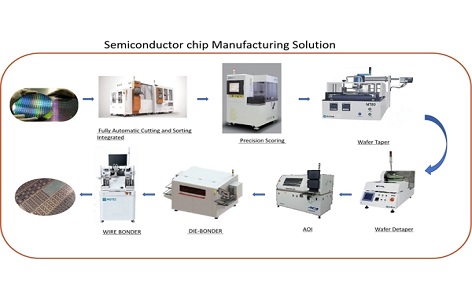
In today’s digital payment ecosystem, bank card manufacturing is a highly standardized yet complex process that combines material science, precision engineering, and secure data personalization. Whether you are a bank, fintech company, or card issuer, understanding the full workflow helps optimize production efficiency and ensure compliance.
Bank card manufacturing refers to the end-to-end process of producing secure payment cards—from raw materials to fully personalized cards ready for issuance. It typically includes card body production, chip integration, printing, and personalization.
Modern production lines are increasingly automated, enabling high-volume output with consistent quality and reduced human error.
The process begins with card design, including layout, branding, and security elements. Prepress preparation ensures files meet production standards for printing and encoding.
Most bank cards are made from durable PVC or composite materials that provide flexibility and long-term durability.
High-precision printing technologies are used to apply card designs, followed by lamination under heat and pressure to form a unified card structure.
Large sheets are cut into standard card sizes with tight tolerances, ensuring uniformity across all cards.
For EMV cards, chips are embedded into the card body, and initial data is written. Magnetic stripes (if applicable) are also encoded with secure information.
Additional processes such as embossing, hot stamping, holograms, and signature panels enhance both functionality and security.
This is a critical stage where cardholder data (name, number, expiration date) is written and printed. Personalization ensures each card is unique and ready for use.
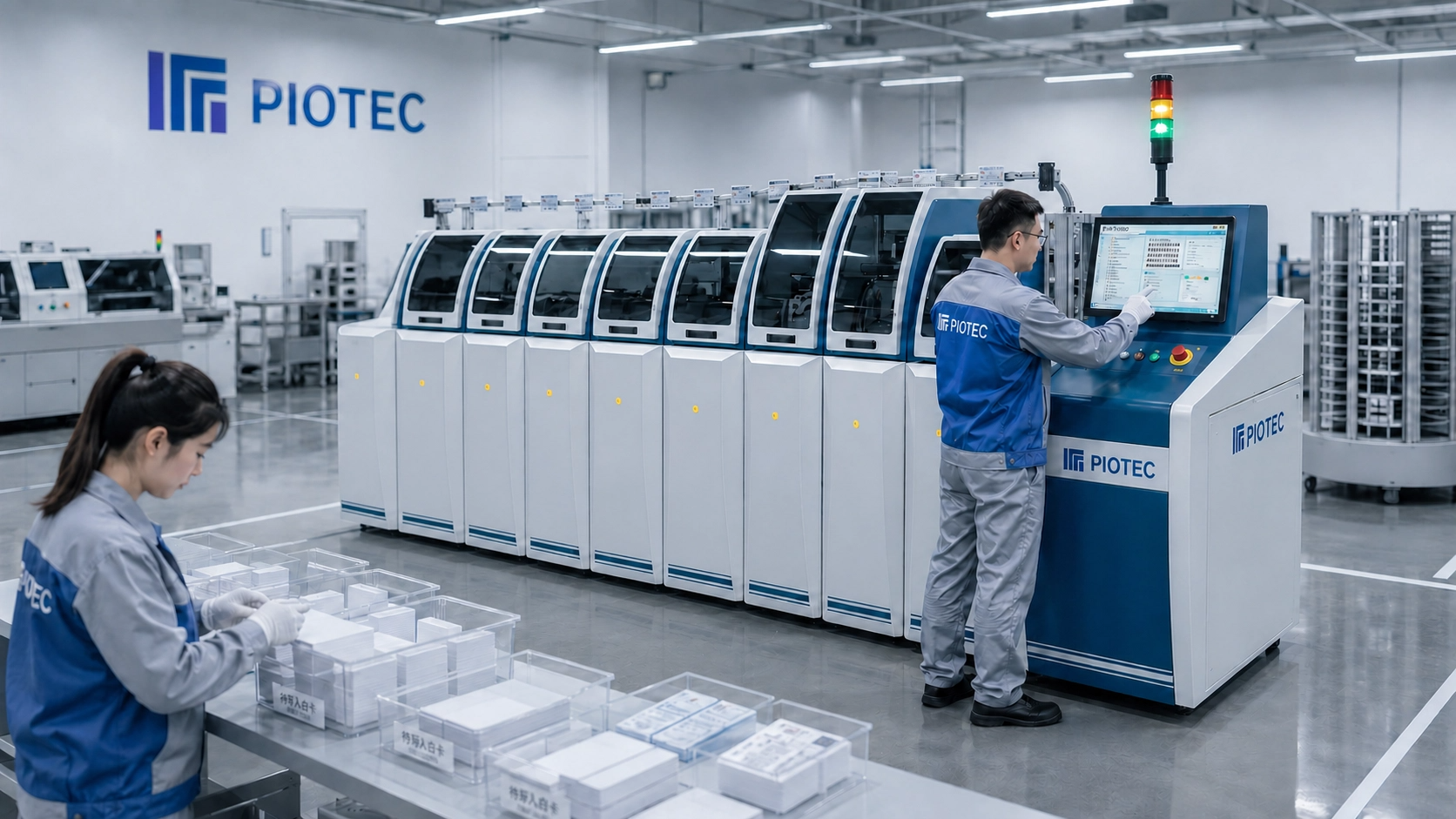
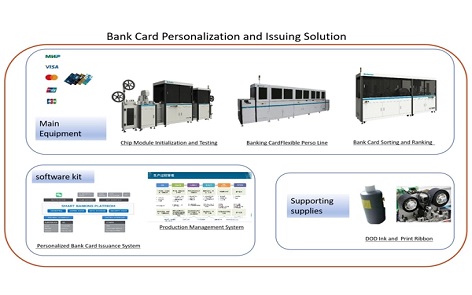
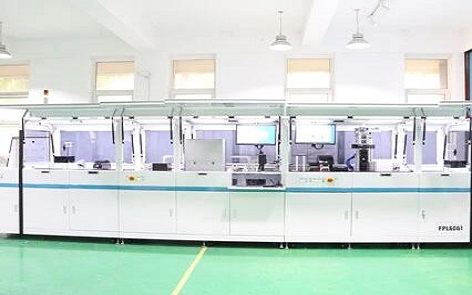
The FPL3000 Flexible Personalisation Line enables high-speed, flexible personalization for banking cards, supporting data writing, laser engraving, and modular configuration—ideal for large-scale issuance scenarios.
Feature | FPL3000 |
IC Perso Stations | 16 |
Contactless Stations | 8 |
Max Throughput | 3000 UPH |
Laser Resolution | 1600 DPI |
Magnetic Encoding | ISO7811 |
Card Types | EMV, Debit, Credit, ID |
Final cards undergo strict inspection, including visual checks, durability tests, and functional verification, before packaging and delivery.
Manufacturing | Personalization |
Printing | IC Encoding |
Lamination | Magnetic Encoding |
Die Cutting | Laser Engraving |
Chip Embedding | Data Verification |
As card programs scale, traditional manufacturing setups often struggle with efficiency and flexibility. Advanced systems like the FPL3000 Bank Card Issuance System address these challenges by offering:
· High throughput for mass production
· Modular design for different card types
· Integrated data encoding and verification
· Reduced error rates through automation
This makes them essential for banks and card manufacturers aiming to improve turnaround time and production quality.
The industry is evolving rapidly with trends such as:
· Contactless & dual-interface cards
· Eco-friendly materials
· Full automation & smart factories
· Enhanced security technologies
Manufacturers that adopt intelligent production lines will gain a competitive advantage in cost, speed, and reliability.
Typical equipment includes:
· Card laminating machines
· Chip embedding machines
· Card printing systems
· Laser engraving systems
· Bank card personalization machines
For large-scale card issuance, flexible personalization lines such as the FPL3000 can integrate encoding, laser engraving, verification and sorting into one workflow.
Bank card personalization is the process of writing unique cardholder data to each card, including:
· Cardholder name
· PAN number
· Expiry date
· EMV chip data
· Magnetic stripe data
Modern personalization systems can achieve throughput from 1,500 to 3,000 cards per hour depending on configuration and card type.
Manufacturing creates the physical card body. Personalization writes unique customer data and security credentials onto the card.
The bank card manufacturing process is a multi-stage workflow that requires precision, security, and efficiency at every step—from design to personalization. By integrating advanced solutions like the FPL3000 Banking Card Flexible Perso Line, manufacturers can significantly enhance production capacity and meet the growing global demand for secure payment cards.

Talk to a Card Personalization Expert